[Right click on images 'open new window' to enlarge]


 Description
 The islands are located in the South Pacific, about one-half of the way from South America to Australia.
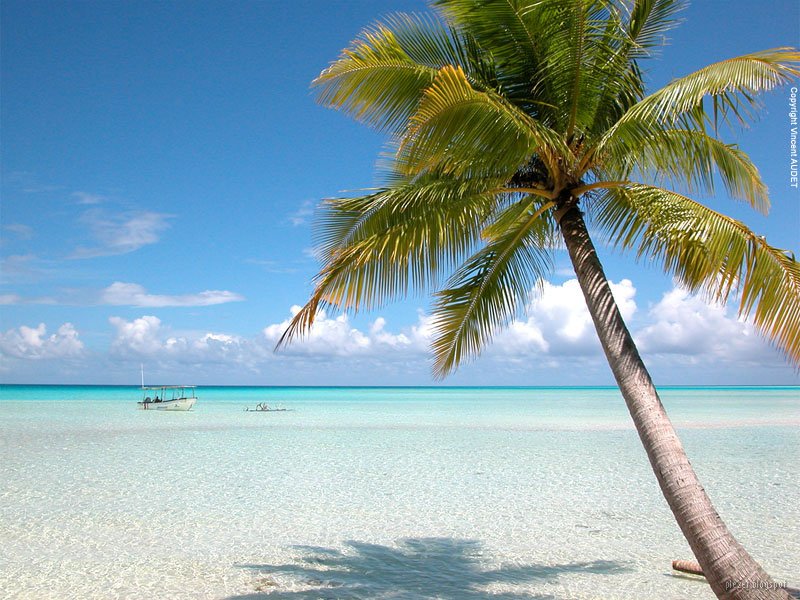
Bora Bora island is possibly the single most famous island in all the world. The legends, mysteries, and romance associated with the words "Bora Bora" bring an almost mystical presence to the island.
It's true Bora Bora is indeed a wonderful place to vacation... but this magical presence is not so unattainable.
This website seperates the facts from the fiction regarding this wonderful Tahiti Polynesian island paradise: Tourism aspects, activities, practicalities, culture, and all the things you'll want to know when planning a trip to Bora Bora. We propose to the would be traveler that the Island of Bora Bora is quite real and attainable as a vacation getaway.Part of the allure has to be its almost unbelievable beauty. Two towering peaks of sheer black rock dominate the center of the island and make an impressive backdrop to an assortment of blue waters that will dazzle the eyes. Bora Bora's lagoon is its most treasured feature, and allows the traveler many opportunities to experience it in a variety of ways. Windsurf, jetski, scuba dive, swim, bask in its warmth... the list goes on.Bora bora is truly an experience worth having. A wonderfully relaxing place to be as well as a great island for you to experience, your Bora Bora vacation will never be forgotten.
Explore our pages as you take a cyber tour of Bora Bora and let us know what you think. The magic is there still. The legend persists. How will you experience it?
Superlatives are missing to describe the beauty of Bora Bora, the “Pearl of the Pacific”. The most famous of the Leeward Islands occupies a surface of 38 km² and is located 280 km north-west of Tahiti, just under one hour away by plane from Papeete. Your arrival at Bora Bora will definitely leave you with one of the nicest souvenirs of your trip : the airport being located on an islet, your flight will be followed by a short boat ride over the lagoon along the numerous islets. Bora Bora (or “Pora Pora”) emerged from the waters 3 millions years ago. Like all the other Polynesian islands, this volcanic island slowly sinking in the ocean. It currently presents particular geological characteristics ranging in between a high island and an atoll status. Its unforgettable turquoise lagoon -where a multi-color aquatic fauna (sting & manta rays, sharks, tropical fishes …) can be observed by outrigger canoe, boat or diving explorations- is born from the slow decline of its main volcano – Mount Otemanu (727 m)- doubled by the legendary Mount Pahia (626 m). The coral reef includes a string of islets (motu One, motu Mute, motu Piti Aau …) and gorgeous white sand beaches surrounding the main island. The unique pass of Teavanui between the ocean and the lagoon faces the main village of Vaitape located on the western coast of the island.The west coast presents 2 bays : Faanui and Poofai.
What to Do
6 Categories of Bora Bora's activities include: WATERSPORTS- with special sections for SCUBA DIVING and SAILING, plus snorkeling, surfing, windsurfing, jetskiing, waterskiing, swimming, kitesurfing. RELAXATION- motu picnics, nightlife, bus & mini van tours, glass bottom boat, private lagoon tours, sunset cruises, massage ADVENTURES- 4x4 safaris, parasailing, deepsea & sportfishing, shark & ray feeding, hiking & climbing ISLAND FUN- eco, cultural, & nature touring, lagoon excursions, horseback riding, light tackle fishing, Aquascope, Aquasafari, Lagoonarium, camping, flightseeing RECREATION- casual walking, bicycle riding, tennis, volleyball, billiards, massage. SHOPPING, SERVICES & RESTAURANTS- local art galleries & studios, BLACK PEARLS & JEWELRY, giftshops, boutiques & more.Also, a list of general services: drugstores, cyber cafes, "the" visitor's center, and all the island's restaurants & food choices
Travel Information
Bora Bora lies 240 kilometres (150 miles) north-west of Tahiti in the Leeward Society Islands. The main island is home to 4,225 inhabitants and is surrounded by a stunning multicoloured environment, rich in both natural and historic treasures. There is only one navigable pass, facing the principal village of Vaitape. A 29-kilometre, partially paved road circles the island, passing colourful villages, archaeological sites, old army bunkers and cannons left over from World War II. Le Meridien Bora Bora is located on the coral reef, on the southern tip of Motu (an islet built over a coral reef), facing the island of Bora Bora. The hotel is only 20 minutes by private launch from the airport and five minutes by boat from the main island of Bora Bora. There are no car parking facilities at the hotel. Off shore, the Motu Islands are scattered within a large ring of coral, which the visitor can explore through various boat trips, scuba-diving and snorkelling excursions.
Please note that city tax applies at XPF 150 per person per day. This is charged to each guest upon check-out.
Time difference - GMT minus 10 hours.Currency - Central Pacific Island Franc (XPF).Climate - Tropical with two seasons. November to April is the rainy season and May to October is the dry season.
Read more »»